Beyond the Peak: A Solo Sojourn in Spiti Valley
Journey Log: Dawn light hitting the whitewashed mud-brick walls of Key Monastery, standing alone on its volcanic spire.
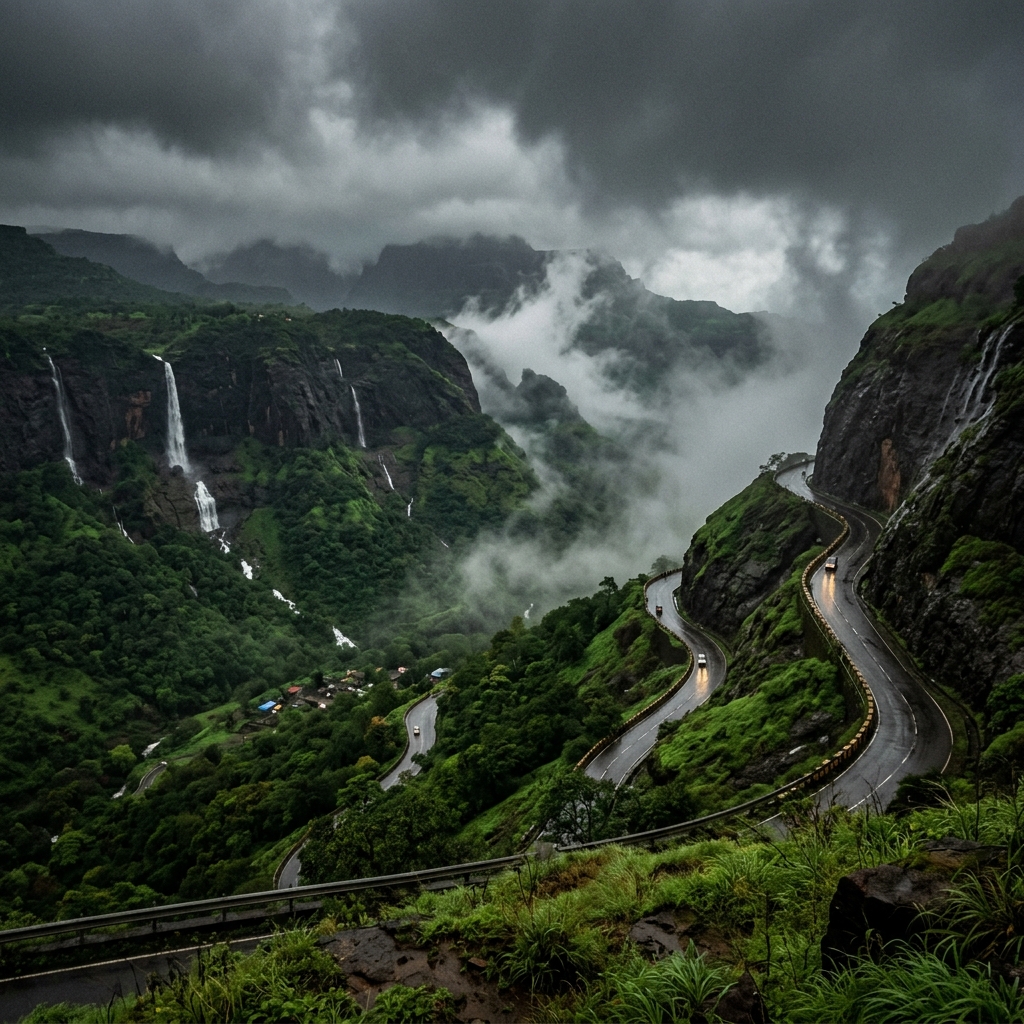
The road to Spiti Valley is not for the faint-hearted. It is a slow, winding journey through vertical gorges and across shifting shale fields, rising steadily into the cold, arid heights of Himachal Pradesh. Here, the green valleys of the lower Himalayas fall away, replaced by a stark, moon-like topography where wind and water have carved sandstone peaks into abstract shapes.
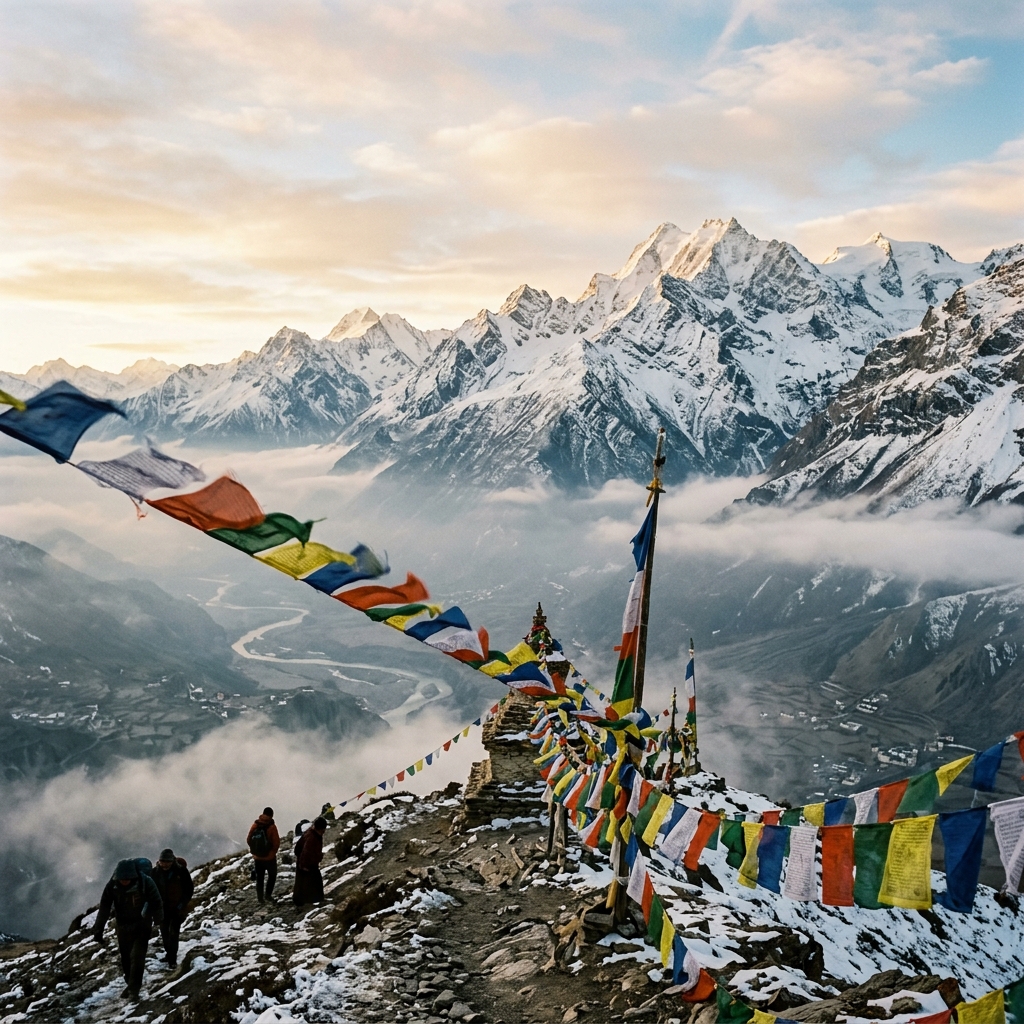
We arrived in Kaza as the afternoon sun cast long, dramatic shadows across the valley. Key Monastery, the iconic fortress of faith in the region, stood in the distance, a cluster of whitewashed rooms clinging to a conical sandstone hill like a crown. In the thin air, the primary colors of Tibetan prayer flags fluttered in the biting wind, their soft rustling the only sound in the vast silence.
“In the high-altitude cold desert of Spiti, silence is a physical presence. The mountains do not speak, they command focus.”
— Kaza, Spiti Valley, IN Log
For a visual creator, documenting Spiti requires an adaptation of eyes and mind. The sheer scale of the landscape is humbling. I spent the early morning hours perched on a ridge opposite the monastery, waiting for the first rays of sun to illuminate the valley. When the light finally hit, it did so with a brilliant, clean orange, making the whitewashed mud walls glow against the dark, barren hills behind it.
This journey is a reminder of the core philosophy behind Wanderlush: slow, purposeful travel. Spiti demands that you slow down, calibrate your breathing to the thin air, and observe the details—the texture of hand-pressed mud-brick, the intricate scrollwork of wooden temple doors, and the warmth of a local cup of butter tea shared in a family kitchen.